

Overcoming Stage Fright: A Gradual Exposure Approach
Learn how systematic preparation and progressive practice reduces anxiety. Start small and build your confidence gradually.
See yourself as your audience does. Toastmasters clubs and community events provide safe spaces to practice, record, receive feedback, and refine your skills systematically.
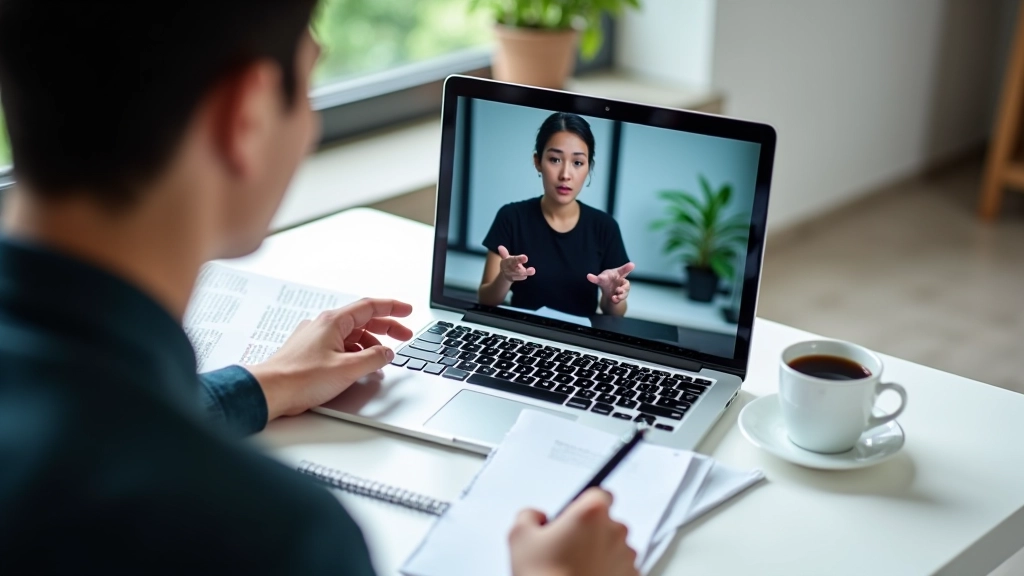

Most speakers don’t truly understand how they come across until they actually watch themselves present. You might think you’re making great eye contact, but the recording shows you’re reading from notes. You believe your pacing is steady, yet playback reveals you’re rushing through key points. It’s uncomfortable to watch, but that discomfort is where real growth begins.
Recording your practice sessions isn’t about perfection. It’s about getting accurate feedback instead of relying on your own perception. When you combine video recordings with constructive feedback from experienced speakers, you get a clear map of what’s actually working and what needs adjustment.

You don’t need professional equipment to get started. A smartphone on a tripod pointed at you while you deliver your talk captures everything you need. Position the camera at eye level, about 6-8 feet away, and make sure there’s enough light so your facial expressions are visible. That’s it.
Many Toastmasters clubs already have the infrastructure in place. They’ll record your speeches during club meetings, and you can request a copy afterward. Some groups even provide feedback sessions where members review recordings together. This removes the barrier of having to set things up yourself.


Generic praise isn’t helpful. “Great job!” doesn’t tell you anything. You need specific observations that point to exactly what you did and what effect it had. Effective feedback names the behavior, describes what the audience likely experienced, and suggests one or two concrete adjustments to try next time.
Toastmasters has a structured approach to this. Evaluators watch your recording and note specific moments: “When you paused for 3 seconds after your first main point, the audience leaned forward.” Or: “Your voice dropped at the end of sentences, making it sound like you weren’t confident in your ideas.” This kind of detail helps you understand cause and effect.
Don’t wait for perfect conditions. Record yourself in your home office, your living room, even outdoors. The quality doesn’t matter nearly as much as actually having a recording to analyze. You’re building a feedback loop, not creating content for broadcast.
Recording yourself can feel vulnerable and sometimes uncomfortable. This is completely normal. The goal isn’t to achieve perfection but to understand your current speaking patterns so you can make intentional improvements. Remember that everyone who speaks well has been through this process. Your willingness to review and adjust is what separates speakers who improve from those who plateau.

The speakers you admire didn’t get there by avoiding recordings. They got there by regularly recording themselves, watching the playback, gathering feedback, and adjusting. It’s a simple cycle, but it works because it removes guesswork from your improvement.
Start this week. Record yourself practicing a presentation you’re working on. You don’t need anyone else to be involved. Just watch it back and notice what you see. Then do it again in two weeks and compare. You’ll spot the changes you’ve already made, which builds confidence. When you’re ready, share a recording with someone you trust and ask for specific feedback on one thing: your pacing, your eye contact, your hand movements, or your opening hook.
This is how you become the speaker you want to be. Not through hope or natural talent, but through systematic practice, honest feedback, and the willingness to watch yourself improve.
Ready to practice with experienced speakers?
Explore More Resources